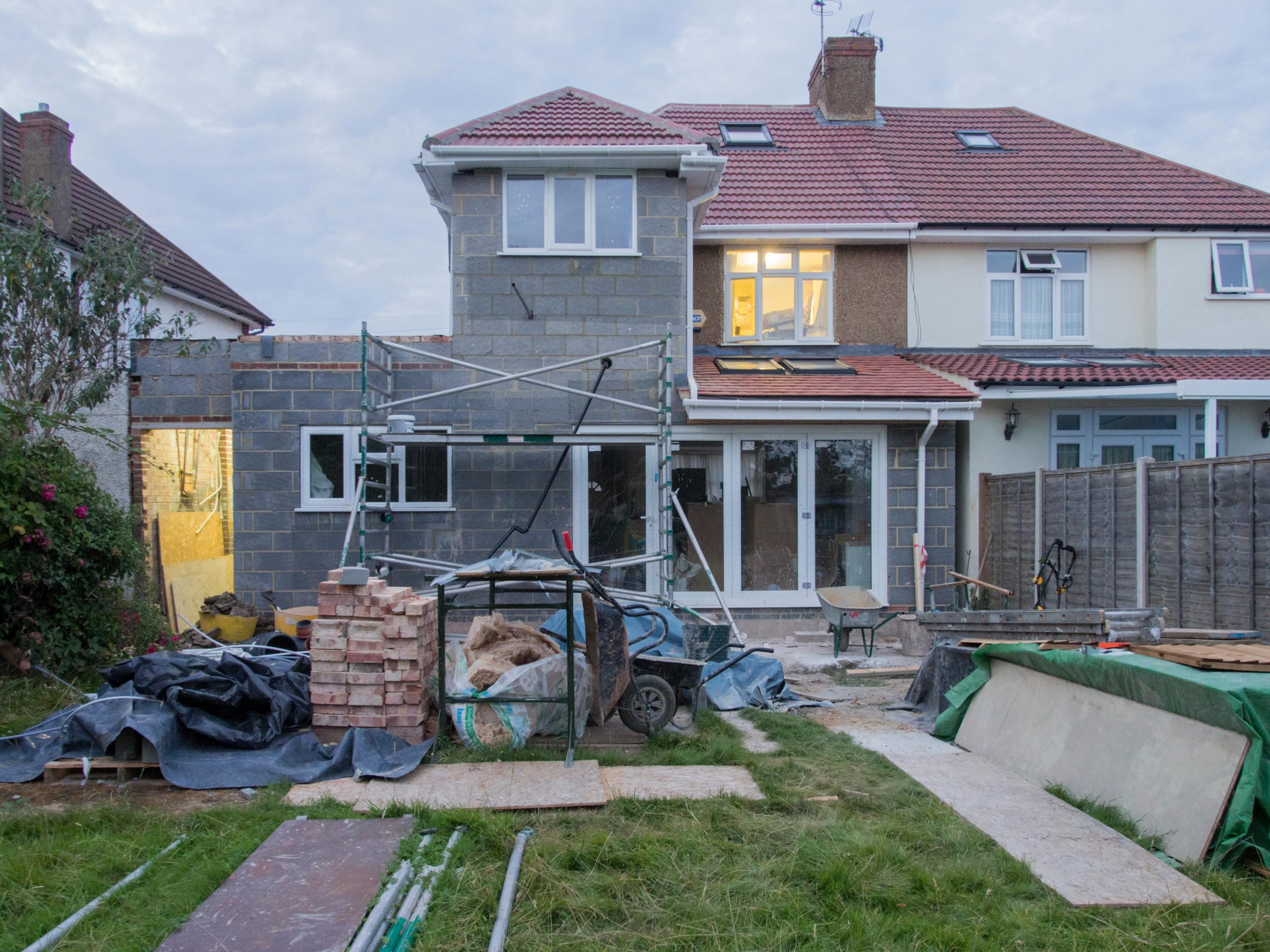

Expanding your home is a smart way to enhance living space, increase property value, and accommodate a growing family. Understanding the types of home additions can help you plan a renovation that meets your lifestyle needs, budget, and long-term goals. This article will guide you through popular home addition options, planning considerations, and factors that affect home additions cost.
Why Consider a Home Addition?
Before exploring types of additions, it’s important to understand why a home addition can be a better choice than moving:
- Customized Space: You can create rooms or features tailored to your family’s needs.
- Increased Property Value: Well-designed additions often provide a high return on investment.
- Avoid Moving Stress: Expanding eliminates the hassle of selling and buying a new home.
- Future-Proofing: Additions can accommodate changes in family size or lifestyle.
A thoughtfully planned home addition can improve comfort, convenience, and the overall functionality of your home.
Common Types of Home Additions
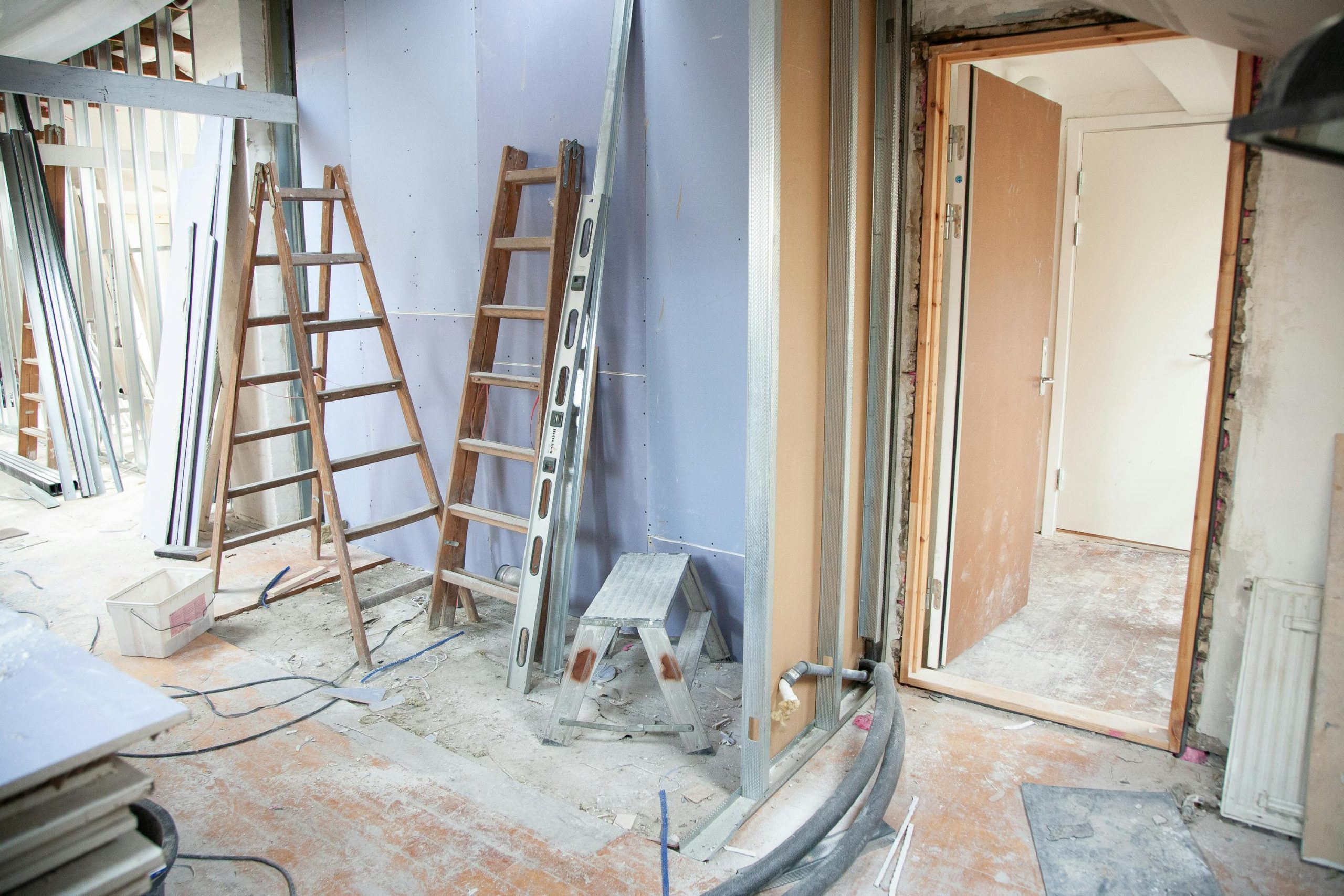
1. Bedroom Additions
Adding a bedroom is one of the most common types of home additions. This can be ideal for:
- Growing families needing extra space for children
- Creating a guest room for visitors
- Adding a home office or multi-purpose room that can double as a bedroom
Design Considerations:
- Ensure the new bedroom meets building codes, including minimum size and window requirements.
- Consider integrating a bathroom for a master or guest suite.
- Match the exterior design and roofing with the existing home for seamless aesthetics.
2. Bathroom Additions
Bathroom additions improve convenience, privacy, and property value. Popular options include:
- Full bathrooms with shower or bathtub
- Half-baths or powder rooms for guests
- Luxury en-suite bathrooms for master bedrooms
Key Points to Plan:
- Plumbing layout and water supply considerations
- Ventilation to prevent mold and humidity issues
- Energy-efficient fixtures to save water and reduce costs
Bathroom additions are often smaller in square footage but can have a significant impact on daily comfort and resale value.
3. Kitchen Additions
A larger or more functional kitchen is highly desirable for homeowners:
- Extend your kitchen to include an island, breakfast nook, or extra cabinets
- Combine with a dining area for an open-concept feel
- Upgrade appliances and lighting for modern functionality
Tips for Success:
- Ensure flow between prep, cooking, and dining areas
- Use durable, low-maintenance materials for cabinets, countertops, and flooring
- Consider natural light with added windows or skylights
Kitchen additions can be a larger investment but offer high value for families who cook and entertain frequently.
4. Living Room and Family Room Additions
Creating extra communal space improves family life and entertainment:
- Expand living rooms or create multi-purpose family rooms
- Add a sunroom or enclosed porch for seasonal use
- Incorporate built-in shelving, fireplaces, or media centers
Design Tips:
- Open floor plans improve flow between rooms
- Use large windows to enhance natural light
- Ensure structural support if expanding the footprint significantly
A spacious living area enhances both comfort and home appeal.
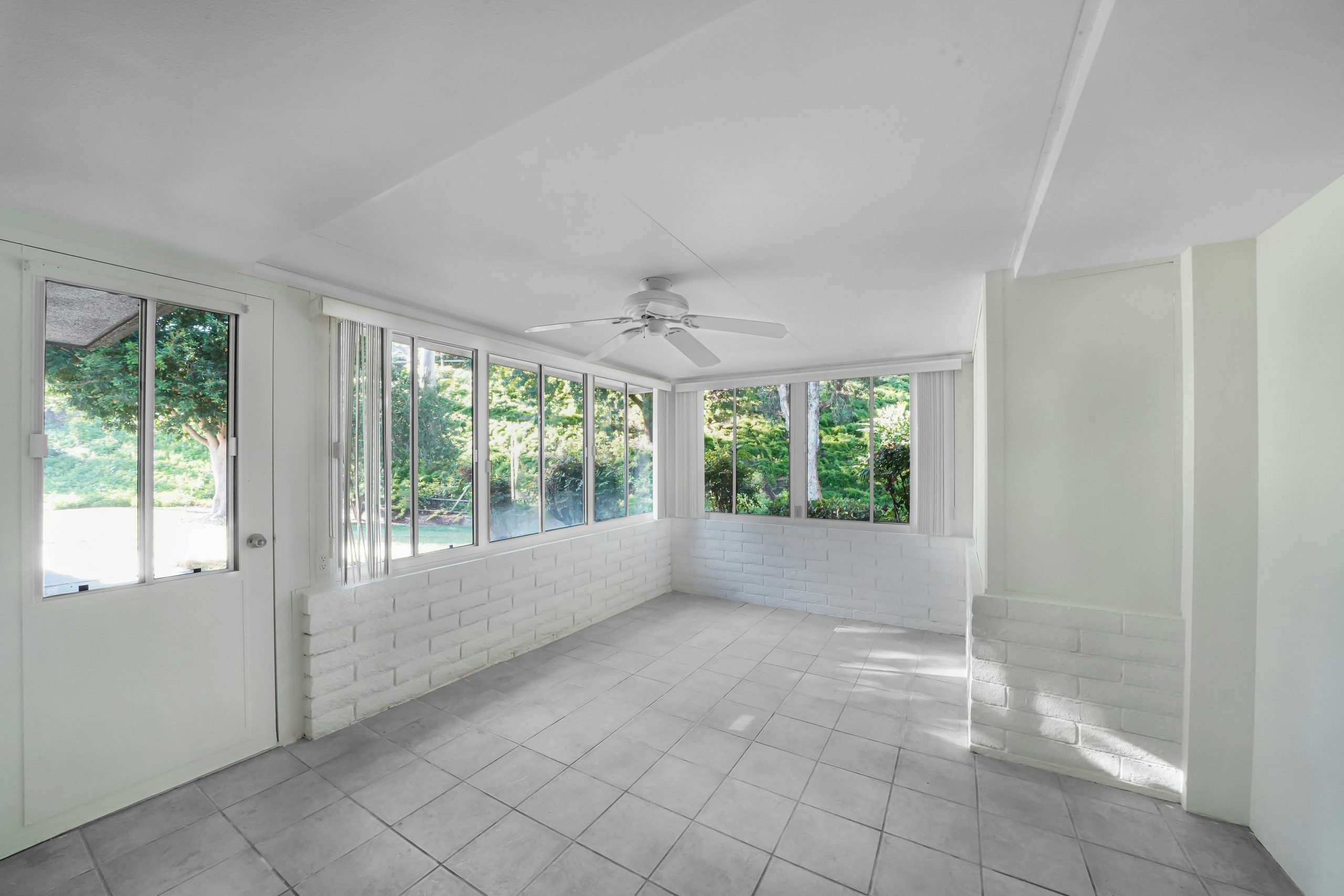
5. Sunroom and Conservatory Additions
Sunrooms or conservatories bring the outdoors inside:
- Ideal for enjoying natural light while protected from the elements
- Can function as a reading room, play area, or small office
- Increase home value with aesthetic appeal
Considerations:
- Use energy-efficient windows to maintain temperature control
- Choose materials like treated wood or aluminum for durability
- Insulate the roof and walls for year-round use
Sunrooms combine functionality and aesthetic charm, often creating a bright focal point in your home.
6. Garage Additions and Conversions
Garage additions can serve multiple purposes:
- Expand parking space or create a workshop
- Convert an existing garage into a living area, home office, or studio
- Add storage space for seasonal items or sports equipment
Tips:
- Maintain proper insulation, ventilation, and flooring if converting a garage
- Ensure structural integrity for additional weight or roofing
- Consider local zoning laws regarding garage expansions
Garage additions or conversions often provide a practical way to expand usable space without changing the exterior footprint dramatically.
7. Basement and Attic Additions
Finishing or expanding basements and attics can maximize underutilized space:
- Create home theaters, gyms, or extra bedrooms
- Use basements for storage, laundry, or entertainment rooms
- Convert attics into offices, playrooms, or guest suites
Design Considerations:
- Ensure proper insulation, lighting, and ventilation
- Check for moisture issues in basements and implement waterproofing solutions
- Consider stairs, egress windows, and ceiling height for code compliance
These additions utilize existing structures, often making them more cost-effective than ground-up expansions.
8. Outdoor Living Additions
Outdoor additions improve lifestyle and home enjoyment:
- Decks, patios, and pergolas for relaxation or entertaining
- Outdoor kitchens or fire pits for enhanced functionality
- Landscaping integrated with outdoor spaces for aesthetic appeal
Tips:
- Use weather-resistant materials to prolong durability
- Consider privacy and noise when designing outdoor spaces
- Plan lighting and seating to enhance usability at night
Outdoor living additions can expand usable space without a full interior renovation.
Factors Affecting Home Additions Cost

Understanding home additions cost is critical when planning a project. Costs vary depending on size, materials, labor, and location. Key factors include:
- Size of Addition: Larger square footage increases construction costs.
- Materials: Premium finishes, flooring, and fixtures raise expenses.
- Labor: Skilled labor for plumbing, electrical, and structural work can be a significant part of the budget.
- Permits and Regulations: Local permits, inspections, and code compliance add to costs.
- Design Complexity: Custom designs and architectural features require more planning and money.
Setting a realistic budget upfront helps prevent overspending and ensures a smoother renovation process.
Planning Tips for Successful Additions
A well-executed addition requires careful planning:
- Lifestyle Needs: Consider how the new space will be used and who will benefit most.
- Design Integration: Maintain consistent exterior and interior aesthetics for a seamless look.
- Energy Efficiency: Incorporate modern insulation, windows, and lighting to reduce long-term costs.
- Future Growth: Plan for changes in family size or lifestyle to avoid additional renovations later.
Investing time in planning ensures your addition meets both functional and aesthetic goals.
Hiring Professionals vs. DIY
Most home additions require professional expertise:
- Architects and Designers: Help create plans that maximize space and comply with regulations.
- Contractors: Skilled construction ensures safety, quality, and timely completion.
- Engineers: Structural support is essential for larger or multi-story additions.
DIY may be possible for small projects like sunrooms or patios, but consulting professionals often prevents costly mistakes.
Conclusion
Expanding your home through additions is a strategic way to enhance comfort, increase property value, and accommodate a growing family. Popular types of home additions include bedrooms, bathrooms, kitchens, living spaces, sunrooms, garages, basements, attics, and outdoor living areas. Each type serves different purposes and comes with unique planning, design, and budgeting considerations. By understanding the different options, planning carefully, and factoring in home additions cost, homeowners can create spaces that meet both immediate needs and long-term goals. Whether you’re adding a cozy bedroom, a bright sunroom, or a functional kitchen, thoughtful home additions enhance lifestyle, functionality, and value for years to come.