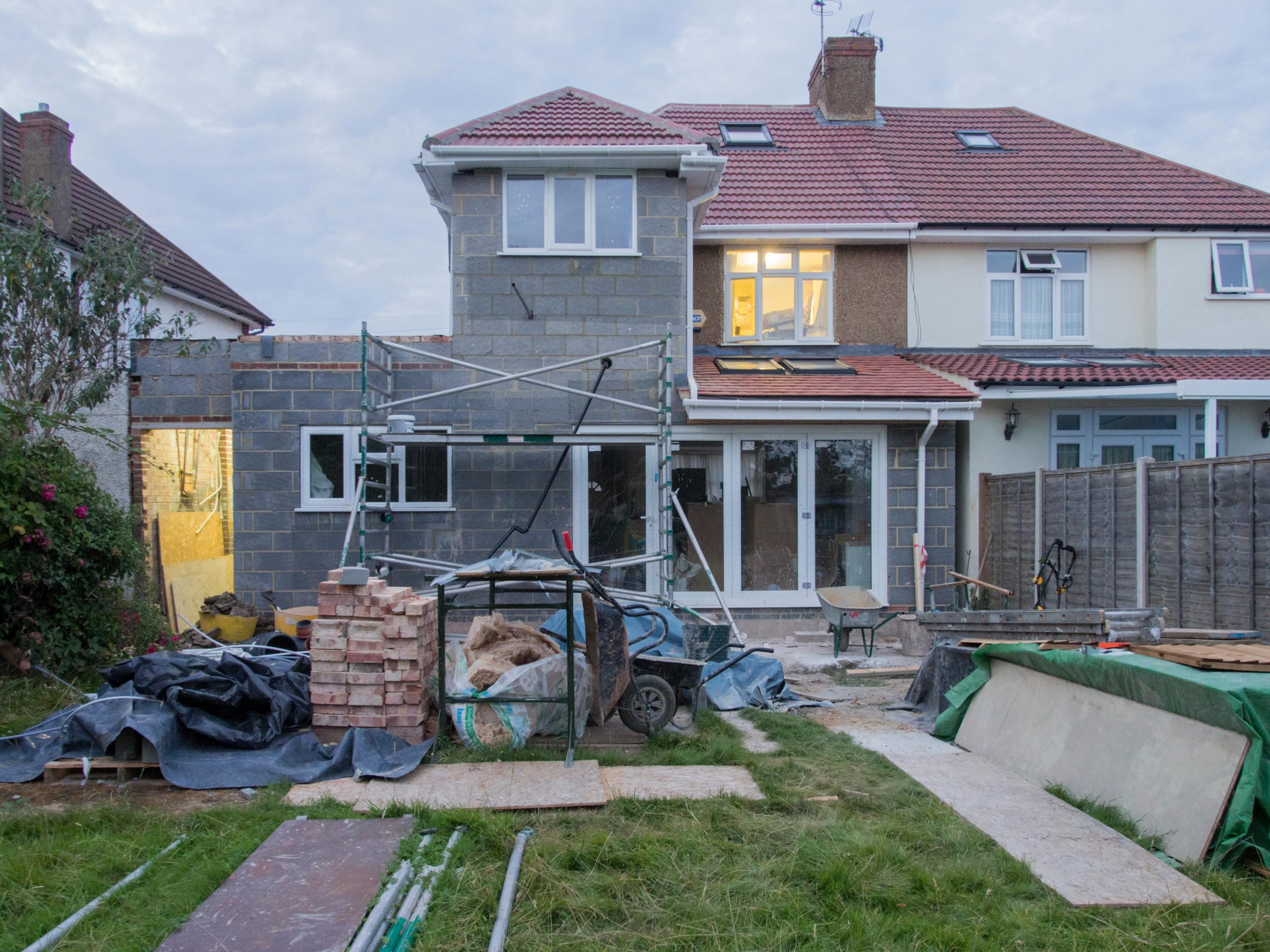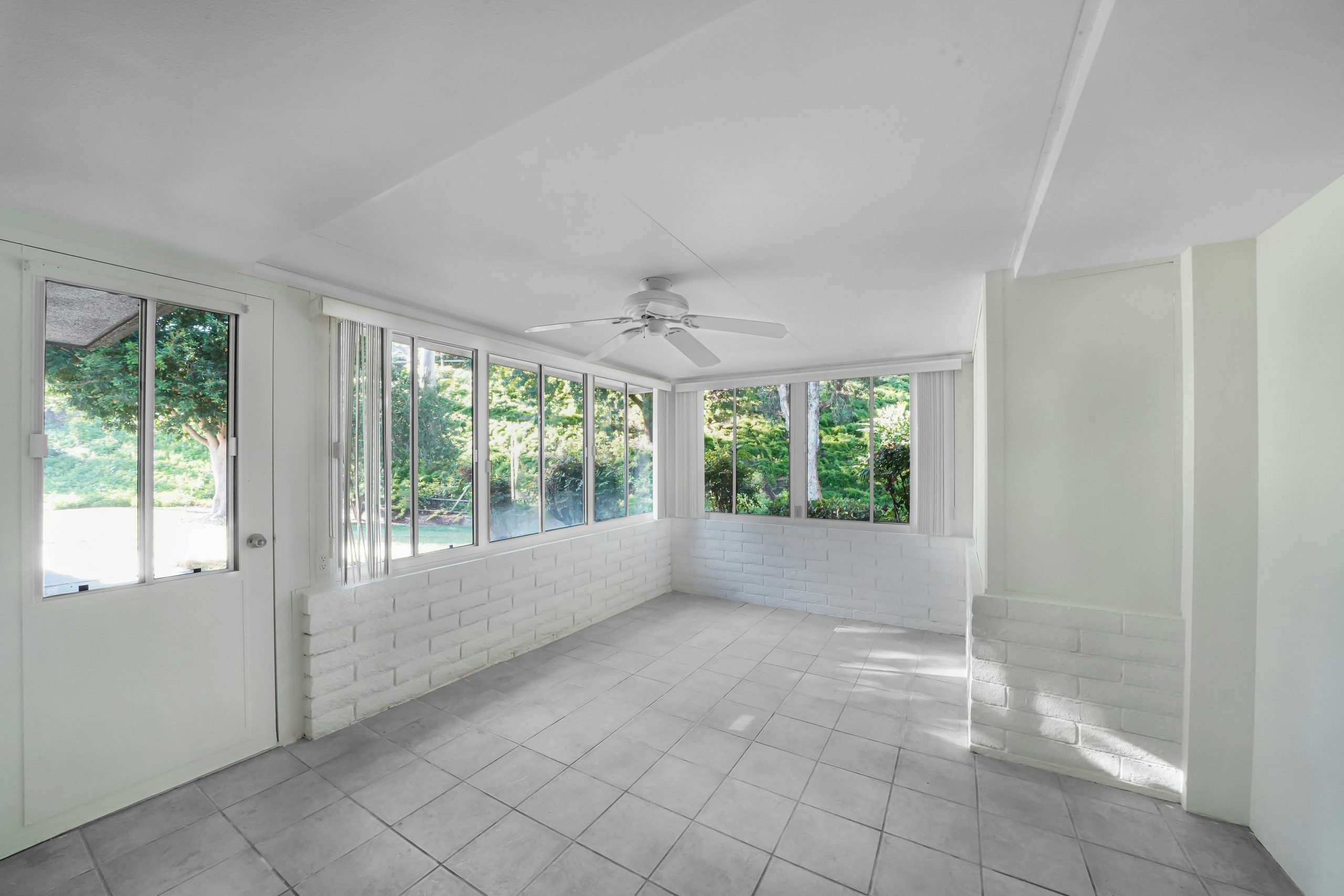

Expanding your home can be one of the most rewarding investments. Whether you’re adding a new bedroom, building a kitchen extension, or creating a sunroom, a well-planned addition increases living space, enhances comfort, and can boost your property’s resale value. However, understanding home additions cost is essential to avoid overspending or unexpected surprises.
The cost of a home addition is influenced by many factors, including the type of addition, materials, labor, location, permits, and design complexity. By planning carefully and knowing the variables involved, you can create a functional, beautiful space while staying within budget.
Factors That Affect Home Addition Costs
When budgeting for a home addition, several key factors determine the overall expense:
- Size of the Addition: Larger rooms or multi-story expansions naturally cost more. Even doubling the square footage can more than double your expenses if it involves complex systems like plumbing or HVAC.
- Type of Addition: Certain rooms, such as kitchens and bathrooms, are costlier due to plumbing, fixtures, and appliances. Simple additions like bedrooms or sunrooms typically cost less.
- Materials and Finishes: High-end materials, custom cabinetry, and premium flooring increase costs. Conversely, using mid-range or locally sourced materials can save money without sacrificing quality.
- Labor Costs: Contractor rates vary depending on expertise, region, and project complexity. Specialized trades, such as electricians or plumbers, may charge premium rates.
- Permits and Inspections: Local building permits, zoning approvals, and inspections add to the budget. Non-compliance can result in fines or costly modifications.
- Location: Construction costs fluctuate based on urban vs. rural areas. Labor, materials, and permitting fees are often higher in metropolitan regions.
Understanding these cost drivers early allows homeowners to make informed choices, balance priorities, and avoid unexpected expenses.
Average Costs by Type of Home Addition
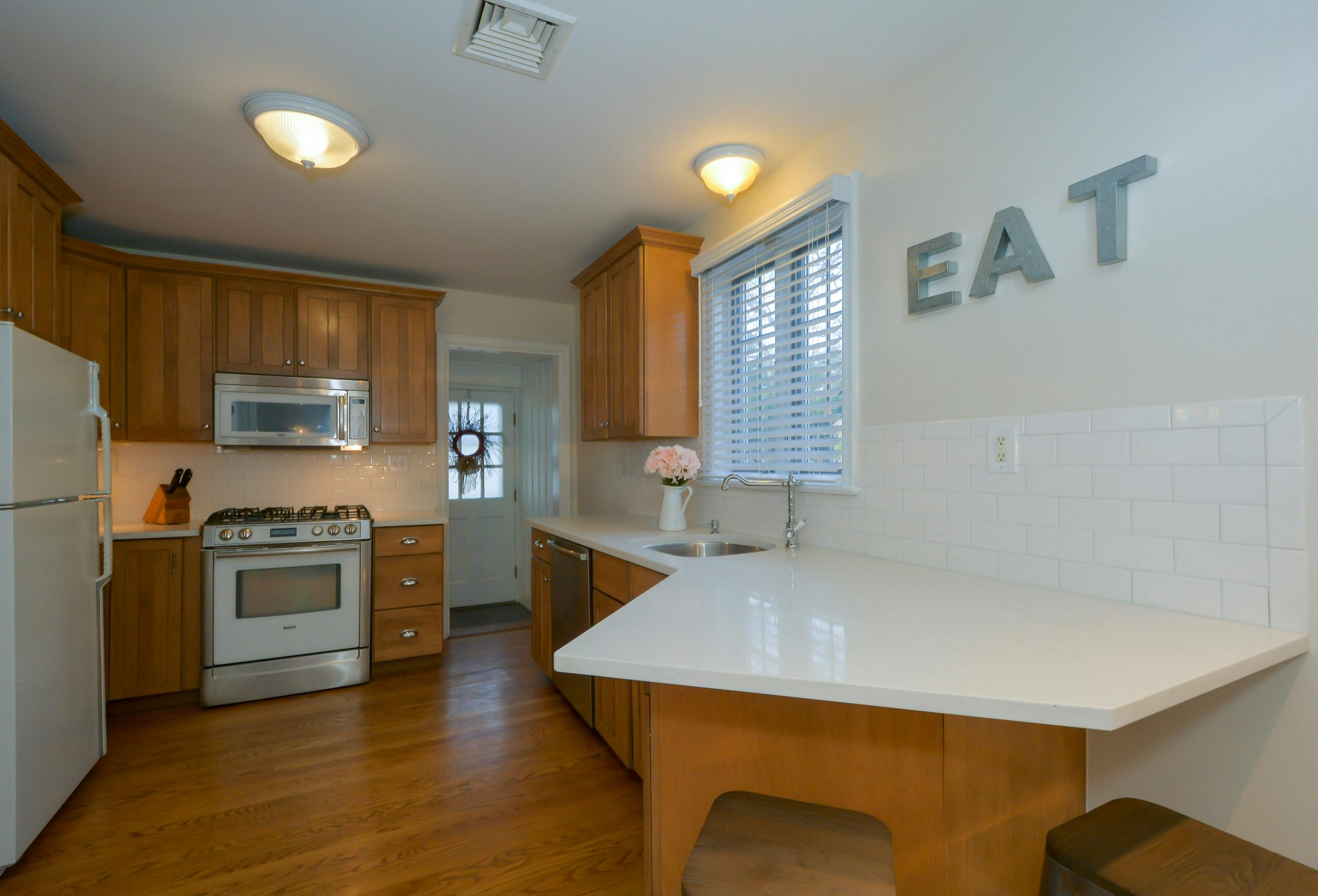
Here’s a detailed breakdown of common home additions and their estimated costs:
1. Kitchen Additions
The kitchen is often called the heart of the home, making it a popular yet expensive project. Average costs range from $25,000 to $75,000. Factors influencing cost include:
- Cabinetry: Standard vs. custom cabinets. Custom cabinets can double costs.
- Countertops: Granite, quartz, and marble are premium choices, while laminate is budget-friendly.
- Appliances: High-end appliances increase costs but offer durability and energy efficiency.
- Plumbing and Electrical: Adding sinks, dishwashers, or lighting can increase complexity.
- Flooring and Lighting: Durable flooring like hardwood or tile is pricier but long-lasting.
A well-designed kitchen addition can significantly increase both enjoyment and resale value, often offering a high return on investment.
2. Bathroom Additions
Adding a bathroom is a smart way to improve convenience and property value. Typical costs range from $15,000 to $50,000 depending on size and fixtures. Considerations include:
- Type: Full bathroom with shower/tub vs. half bath for guests.
- Fixtures: Toilets, sinks, and vanities vary widely in cost.
- Tiling and Flooring: Ceramic, porcelain, and natural stone add to expenses.
- Plumbing Complexity: Moving water lines can significantly increase the cost.
Even a modest bathroom addition can make a home more functional, particularly in growing households.
3. Bedroom Additions
Extra bedrooms are highly desirable for families. Costs typically range from $20,000 to $60,000. Key factors:
- Size: Larger rooms with high ceilings cost more.
- Windows and Insulation: Energy-efficient windows help reduce heating/cooling costs.
- Flooring and Lighting: Hardwood or carpet selection affects pricing.
- HVAC Adjustments: Extending heating/cooling systems may add to labor costs.
Adding a bedroom not only improves daily comfort but can also increase resale value, especially if adding a master suite or guest room.
4. Sunrooms and Conservatories
Sunrooms create inviting spaces with abundant natural light. Typical costs range from $15,000 to $40,000. Important considerations:
- Glass Walls and Roofs: Premium materials offer insulation but cost more.
- Climate Control: Heating and cooling can add ongoing expenses.
- Flooring and Furniture: Durable, weather-resistant options are ideal.
Sunrooms can be both relaxing and functional, often used as offices, lounges, or playrooms.
5. Garage Additions
Garages provide storage and protect vehicles from the elements. A standard two-car garage usually costs $20,000 to $50,000. Factors include:
- Attached vs. Detached: Attached garages often cost slightly more due to structural integration.
- Garage Doors: Insulated, automatic doors increase costs.
- Driveway Adjustments: Extending or reinforcing driveways adds to expenses.
Garages also contribute to home value, particularly in suburban areas where covered parking is in demand.
6. Basement and Attic Conversions
Transforming unused space can be cost-effective compared to building outward. Costs range from $10,000 to $50,000 depending on features. Consider:
- Flooring and Walls: Proper insulation, drywall, and flooring are essential.
- Plumbing: Adding a bathroom increases both complexity and cost.
- Electrical and HVAC: Adequate lighting, outlets, and climate control are required for livable space.
These conversions create versatile living areas, including guest rooms, offices, or home theaters.
Cost-Saving Tips for Home Additions
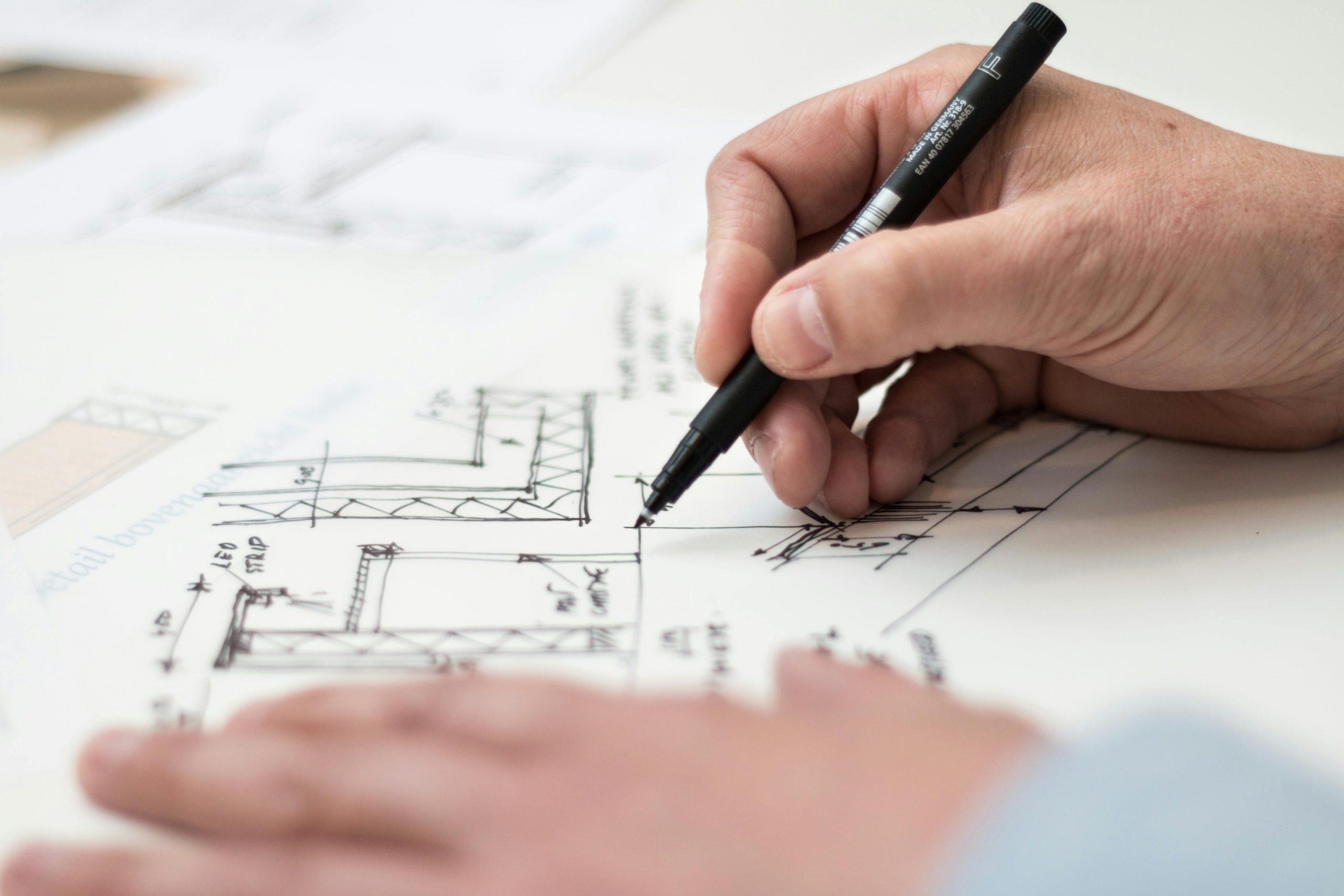
Building a home addition doesn’t have to break the bank. Follow these strategies to control expenses:
- Plan Ahead: Finalize design plans before starting to avoid expensive mid-project changes.
- Set a Realistic Budget: Include a 10–15% contingency for unexpected costs.
- Choose Affordable Materials: Mid-range flooring, countertops, and cabinets can look great without excessive cost.
- Hire Reputable Contractors: Choosing low-cost labor can backfire with poor-quality work.
- DIY When Possible: Tasks like painting, demolition, or landscaping can save money.
- Bundle Projects: Combining multiple renovations can reduce overall costs by leveraging labor and material efficiency.
By approaching home additions strategically, you can balance quality, aesthetics, and affordability.
Financing Your Home Addition
Renovating or expanding a home is a major investment. Financing options include:
- Home Equity Loans: Borrow against your home’s value with lower interest rates.
- Personal Loans: Fixed repayment schedules, suitable for smaller additions.
- Cash Savings: Paying upfront avoids interest but requires sufficient funds.
- Refinancing: Combine your mortgage and addition costs into a single payment.
Evaluate options carefully to choose the best method based on your financial goals and interest rates.
Permits and Regulations
Local building codes and permits are essential for any addition. Key points:
- Building Permits: Required for structural work, electrical, or plumbing.
- Zoning Approval: Ensure your addition complies with setback and height regulations.
- Inspections: Verify work meets safety standards to prevent future issues.
Hiring a contractor familiar with local laws can streamline the permitting process and avoid costly delays.
Return on Investment (ROI)
Not all home additions yield the same financial return. High ROI projects include:
- Kitchens and Bathrooms: Often the most expensive but also the most valuable in resale.
- Bedrooms: Especially master suites or additional bedrooms for growing families.
- Sunrooms and Decks: Enhance lifestyle and aesthetic appeal.
Other additions, like large garages or luxury basements, may offer lifestyle benefits but lower resale value. Planning with ROI in mind ensures that your investment benefits both your living experience and future property value.
Planning for Your Home Addition
Careful planning is the foundation of a successful home addition. Before construction begins, it’s important to consider both current needs and future requirements to ensure the space adds value and functionality.
- Lifestyle Needs: Start by evaluating how the new space will improve daily life. Are you adding a bedroom for a growing family, a home office, or a larger kitchen for entertaining? Clearly defining the purpose of the addition helps guide design choices and ensures the space is practical.
- Design Integration: Your addition should complement the existing architecture. Matching rooflines, siding, and window styles creates a cohesive look, while thoughtful interior design ensures a smooth transition between old and new spaces. A mismatched addition can feel disconnected and reduce both aesthetic appeal and resale value.
- Future Growth: Anticipate changes in your household or lifestyle. Extra bedrooms, storage areas, or flexible multi-purpose rooms can accommodate future needs, avoiding the need for additional renovations down the line. Planning for growth maximizes the long-term utility of your investment.
- Efficiency: Energy efficiency is a key consideration for both cost savings and sustainability. Incorporate high-quality insulation, energy-efficient windows, LED lighting, and modern HVAC systems to reduce utility bills and create a comfortable environment year-round.
Thoughtful planning not only minimizes disruption during construction but also helps control costs, prevent mistakes, and ensure the addition seamlessly integrates with your home. By considering functionality, aesthetics, and efficiency from the start, your new space will provide lasting value and enhance daily living.
Conclusion
Understanding home additions cost is crucial for budgeting and planning a successful renovation. From kitchens and bathrooms to bedrooms, sunrooms, and basements, costs vary widely based on size, materials, labor, and location. Careful planning, budgeting, and strategic choices can ensure your addition meets your family’s needs while providing long-term value.
By considering financing, permits, and ROI, homeowners can confidently invest in a project that enhances both comfort and property value. Whether building outward or converting existing spaces, the key to a successful home addition is thoughtful preparation, professional guidance, and smart financial management.
Investing in a well-planned home addition creates a functional, beautiful space that supports your family’s lifestyle for years to come.